All Categories
Featured

Funding Future Care Costs
Table of Contents
Every policy has details that can make a big distinction. Look for: Removal durations (the waiting period before advantages kick in) Guaranteed renewability (so your protection can't be canceled if your health modifications) Nonforfeiture alternatives (to maintain some worth if you cancel the policy) Take the time to examine all terms, conditions, and exemptions.
The fine print frequently covers clauses about how and when your benefits are paid, any limitations on coverage, waiting durations before benefits start, and whether your premiums might increase with time. These pointers can assist you find the long-term care insurance that matches you best When planning for retirement, the majority of people concentrate on saving enough to replace lost income.
Long-lasting care insurance coverage helps cover those expenditures, securing your financial resources and providing comfort in retirement., we comprehend that the cost of long-term care can be a significant concern. That's why we provide flexible, tailored care alternatives, so you only spend for the level of assistance your enjoyed one really requires, whether it's for a couple of hours, a week, or longer.
Managing Future Nursing Fees
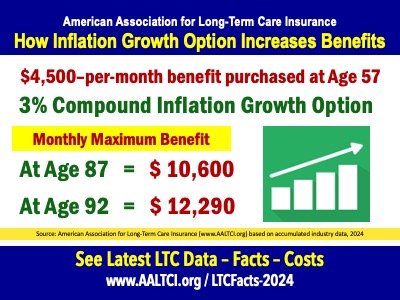
This helps you manage costs while guaranteeing your loved one gets safe, reliable care. Here's a peek at how long-lasting care insurance coverage modifications with age: $1,200$3,700 per year $2,075$6,600 each year $3,600$12,375 each year (higher threat) The best time to purchase long-lasting care insurance is normally Long-lasting care insurance coverage premiums are based on your age and health at the time you apply.
Vaccines are a crucial part of healthy aging and these guides can help you understand which one's matter most:.
The Medical Insurance Marketplace Open Enrollment Duration for strategy year 2026 starts on November 1, 2025, and runs till January 15, 2026. The average premium after tax credits is projected to be $50 per month for the most affordable cost strategy in 2026 for qualified enrollees. This represents a $13 increase from 2025.
Retirement Planning Fontana CA
Managing Future Care Costs
Premium Cost: Qualified enrollees continue to have robust access to low premium plans after using advance payments of the exceptional tax credit. Comparable to 2025, on average, tax credits are projected to cover 91% of the most affordable cost plan premium in 2026 for eligible enrollees. This compares to 85% in the 2020 coverage year, which was the last coverage year not impacted by momentary COVID-19 pandemic policies.
While this represents a $13 increase from 2025, it stays $20 more economical than the month-to-month premium after tax credits in 2020. In 2026, nearly 60% of qualified re-enrollees will have access to a strategy in their selected health strategy classification at or listed below $50 after tax credits. This compares to 83% of qualified enrollees in 2025 and 56% in 2020 with comparable gain access to.
The average 2026 enrollee has in between 6 and 7 QHP issuers offered. In 2026, 95% of enrollees have access to 3 or more QHP companies, compared to 96% in 2025 and 68% in 2020. In addition, less than 1% of 2026 enrollees have only one readily available QHP issuer, which is the lowest percentage in history.
In 2026, this will make HSA-eligible strategies available to every consumer in every county throughout the states that use This broadens access to HSA-eligible strategies to at least 1.6 million additional consumers. ###.
Vaccines are a crucial part of healthy aging and these guides can help you understand which one's matter most:.
Future 2026 LTC Cost Forecasts
The Medical Insurance Marketplace Open Enrollment Duration for strategy year 2026 begins on November 1, 2025, and runs up until January 15, 2026. The average premium after tax credits is forecasted to be $50 per month for the most affordable cost strategy in 2026 for qualified enrollees. This represents a $13 increase from 2025.
Premium Affordability: Eligible enrollees continue to have robust access to low premium plans after using advance payments of the premium tax credit. Comparable to 2025, typically, tax credits are projected to cover 91% of the most affordable expense strategy premium in 2026 for qualified enrollees. This compares to 85% in the 2020 protection year, which was the last coverage year not impacted by temporary COVID-19 pandemic policies.
While this represents a $13 increase from 2025, it remains $20 cheaper than the regular monthly premium after tax credits in 2020. In 2026, nearly 60% of qualified re-enrollees will have access to a strategy in their chosen health plan classification at or below $50 after tax credits. This compares to 83% of qualified enrollees in 2025 and 56% in 2020 with comparable access.
The typical 2026 enrollee has in between 6 and 7 QHP issuers readily available. In 2026, 95% of enrollees have access to three or more QHP providers, compared to 96% in 2025 and 68% in 2020. In addition, less than 1% of 2026 enrollees have only one offered QHP company, which is the most affordable portion in history.
Fixed and Variable Annuity Plans
In 2026, this will make HSA-eligible plans readily available to every consumer in every county throughout the states that use This expands access to HSA-eligible plans to a minimum of 1.6 million extra consumers. ###.

Latest Posts
Funding Future Care Fees

Forecasting 2026 Long-Term Care Insurance Costs

Future Retirement Health Financial Tips