All Categories
Featured
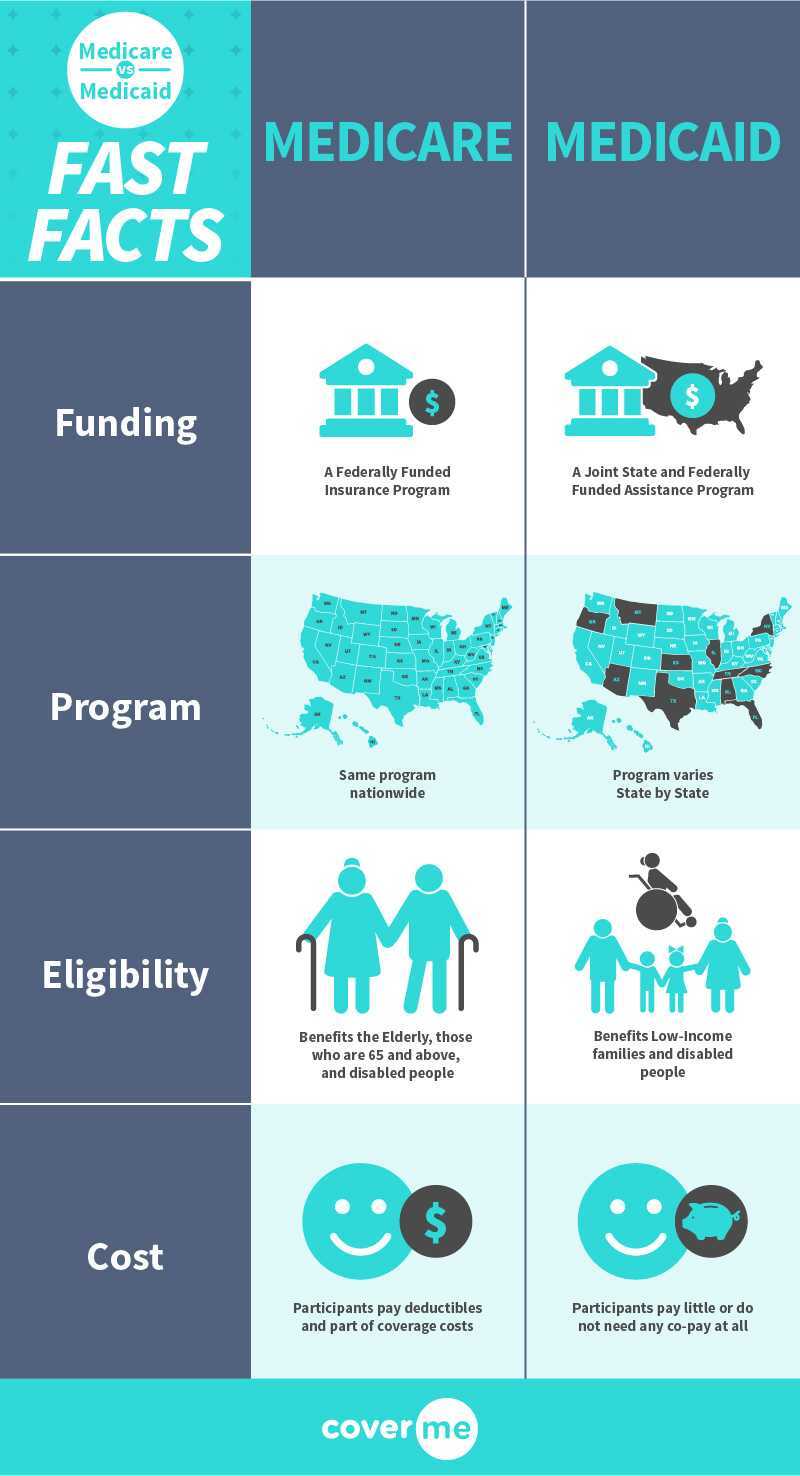
Comparing Care Options Vs. Public Benefits
Table of Contents
In addition to the service provider, long-term care insurance prices depend upon factors consisting of health, age, marital status, gender, and policy type. Most long-term care insurance plan require a medical examination. If you remain in great health, then your premium likely will be lower. If you have a household history of chronic health conditions, then you will likely have a greater premium since it suggests to an insurance provider that there's a higher possibility you'll need long-lasting care.
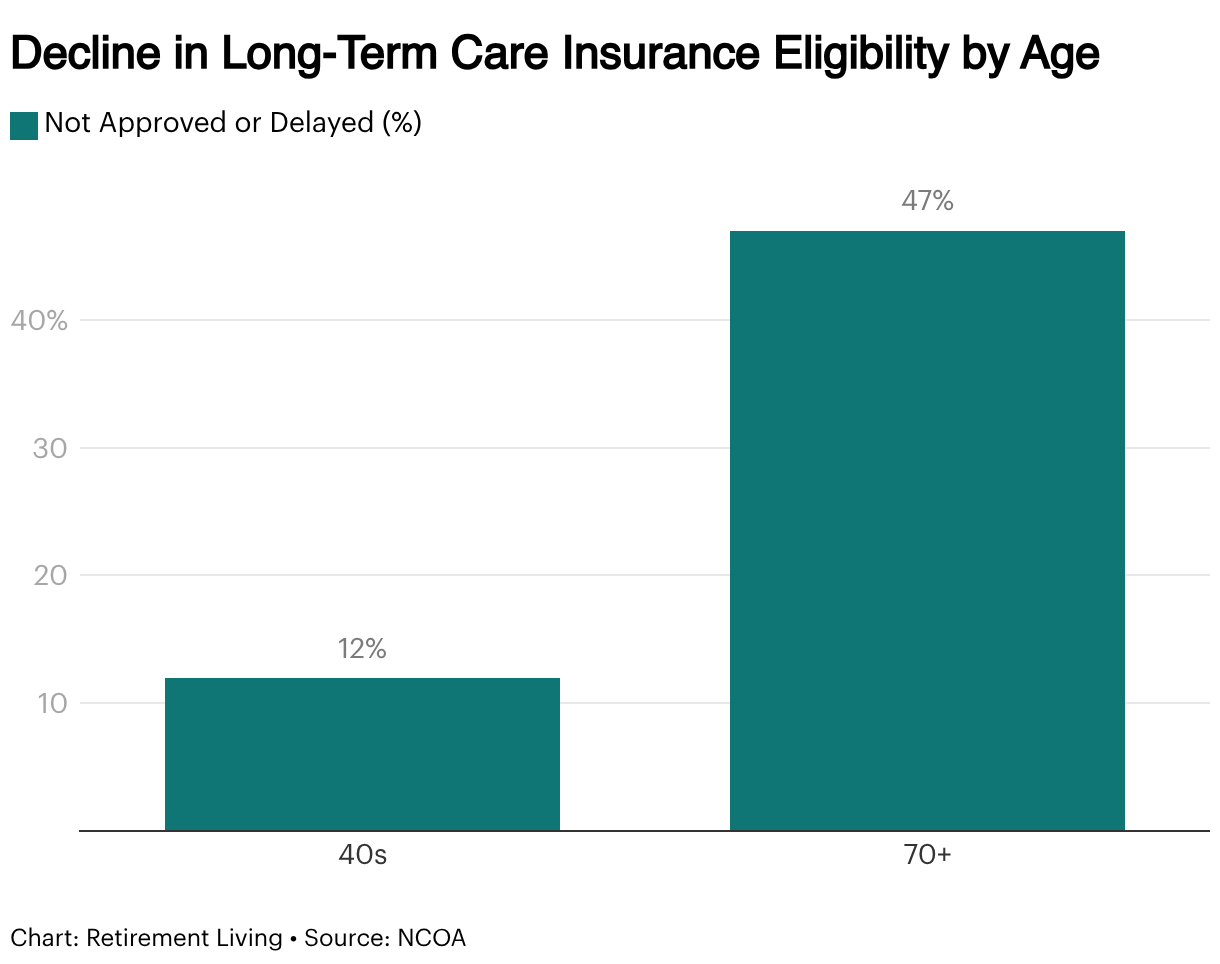
If you acquire a policy when you're older, then you are more most likely to require the benefit to pay for care earlier, so premiums will be higher. Couples can likewise bundle their policies together for a lower rate.
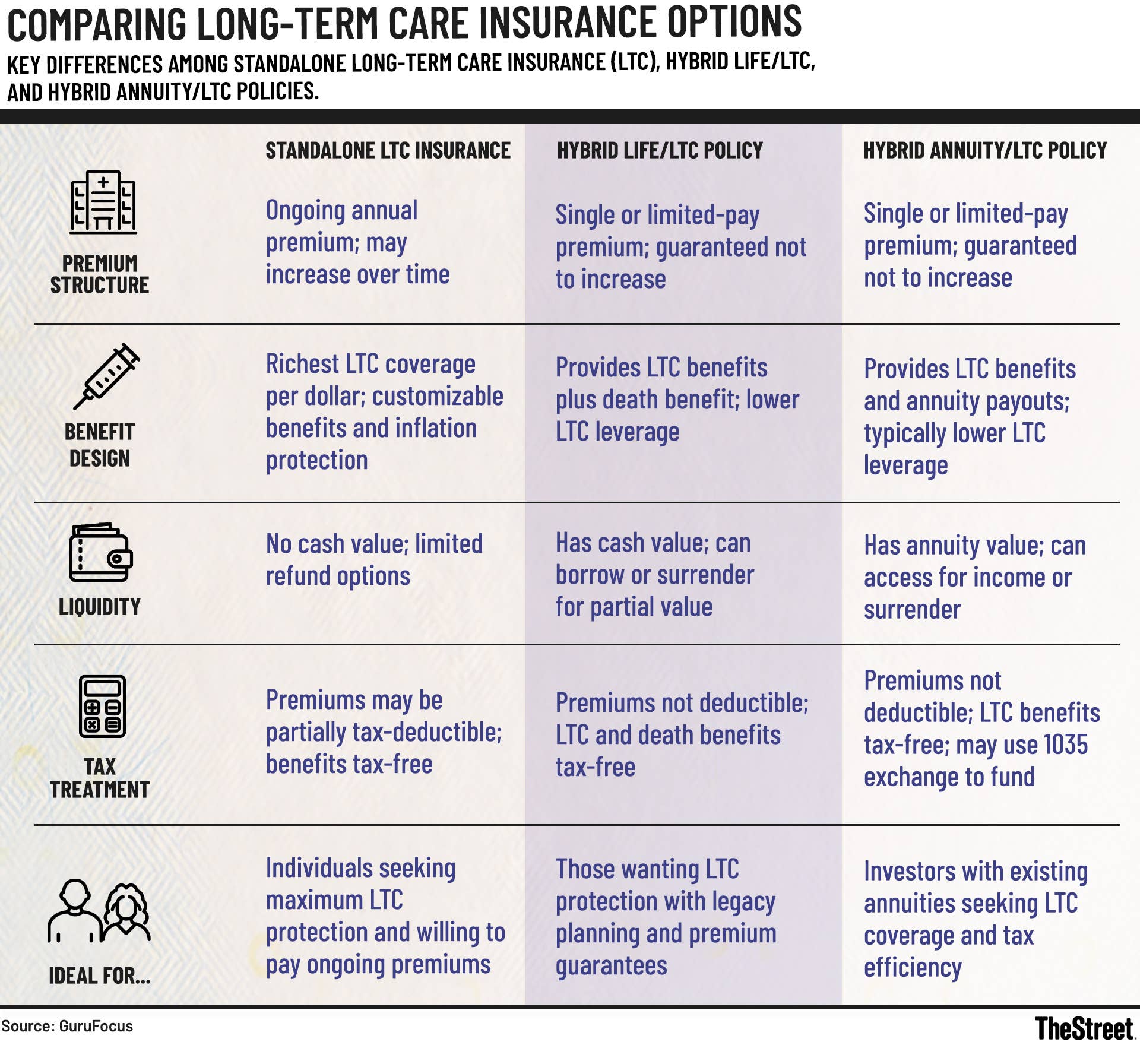
There are numerous types of long-lasting care insurance coverage. Insurance coverage providers use private policies for purchase. They likewise may use "hybrid" policies that integrate life insurance coverage with long-lasting care insurance coverage, and some companies or associations use group coverage that provides more advantages for lower premiums. When you make an application for long-lasting care insurance, the company might request medical records, demand a medical test, or ask some fundamental concerns about your health.
Retirement Planning Corona CAThe protection is based on the monthly (or everyday) benefit total up to spend for care. When investigating, make certain to search for the typical cost of care in your location and represent inflation to determine the quantity of care you will need. The expense of care in 2026 will likely be lower than the cost of care in 2042, so inflation defense and comparable riders are rewarding investments.
Evaluating Fixed Annuities for Seniors
After the policy is provided, the carrier might raise premiums or you might elect to pay lower premiums for a lower advantage. The insurance provider will then evaluate medical records and, if authorized, compensate you for long-term care up until your policy limit is reached.
Retirement Planning Corona CAMost long-lasting care insurance policies are tax-qualified, implying you might deduct premiums from your yearly income tax return through the medical expense reduction. The quantity you can subtract in 2026 as a medical expenditure depends on your age. $450 $850 $1,690 $4,510 $5,640 These rates might alter each year, so contact a trusted financial adviser before submitting your medical expense deductions.
That enables you to use a survivor benefit while you're still alive to spend for long-term care if it's essential. If not, then your loved ones will get the complete survivor benefit. The disadvantage is that hybrid policies usually are more pricey than traditional life insurance policies, and they don't get approved for the tax advantages that long-lasting care insurance coverage do.
If your health condition increases your long-lasting care insurance coverage premiums, however, then it might be cost-effective to purchase a hybrid policy instead of a private long-lasting care insurance policy. If you identify you require a long-lasting care insurance policy, then make sure to do your research study before acquiring. Keep the following pointers in mind while you're shopping: If you currently have an insurance agent, then a trusted advisor can help you find the best policy for the finest worth.
A hybrid insurance coverage choice may make good sense if you're older or not in the finest health. The rate of long-term care likely will rise by the time you need it, so keep that in mind when picking the advantage amount you require covered. Your employer (or ex-employer, if you're retired) might provide group protection that is less pricey than a private policy.
Why Seniors Benefit From Critical Illness Plans
See if you're eligible before purchasing a policy. To get the most out of your long-lasting care insurance policy, make certain your favored policy is tax-qualified so you can subtract premiums. To get more information about long-term care insurance, have a look at our valuable guides.
Policy forms ICC18-LTCD PLCY (0218 ), LTCD PLCY (0218 ), LTCD-U PLCY (0218 ), ICC14-LTC6, LTC6, LTC6-U, and any state-specific, are provided by New York Life Insurance Coverage Business, New York, NY. Policy types ICC20-AF-MP, ICC20-AF-SP, AF-MP, AF-SP, 316-60P & 316-284R, 316-150P & 316-283R and any state-specifics, are issued by New York Life Insurance Coverage and Annuity Corporation, Newark, DE, a wholly owned subsidiary of New York Life Insurance Business.
For cost and complete information of the coverage, contact your agent or the business. New York Life Insurance Coverage Business and New York Life Insurance and Annuity Corporation have the sole monetary responsibility for its own products.

Latest Posts
Choosing the Best Annuity for Retirement
Essential Financial Planning for Future Needs

Elderly Accident Insurance Benefits and Value