All Categories
Featured
Future 2026 LTC Cost Forecasts
Table of Contents
July 24, 2025 5The Federal Long Term Care Insurance Program. March 2025.
At age 60, long-term care insurance costs typically range from $1,200 to $3,700 per year When you turn 70, premiums rise considerably, generally varying from $2,075 to $6,600 annually Once you reach 75, costs ended up being steeper due to increased age-related threat, ranging from $3,600 to $12,375 each year Long-term care impacts almost every family.
Retirement Planning Irvine CAAnd we're not just caregivers; we're future care recipients, too. According to the American Council of Life Insurers, nearly 70% of people turning 65 today will Comprehending what long-term care includes and its costs is important for safeguarding both your loved ones and your own future. In this post, we will: Break down long-term care insurance coverage expenses by age Check out the leading elements that affect long-lasting care insurance costs Introduce how Always Best Care Senior Solutions can support your elderly liked one's needs The most significant barrier to purchasing long-lasting care insurance coverage, for both retired people and those preparing for retirement, is the cost of premiums.
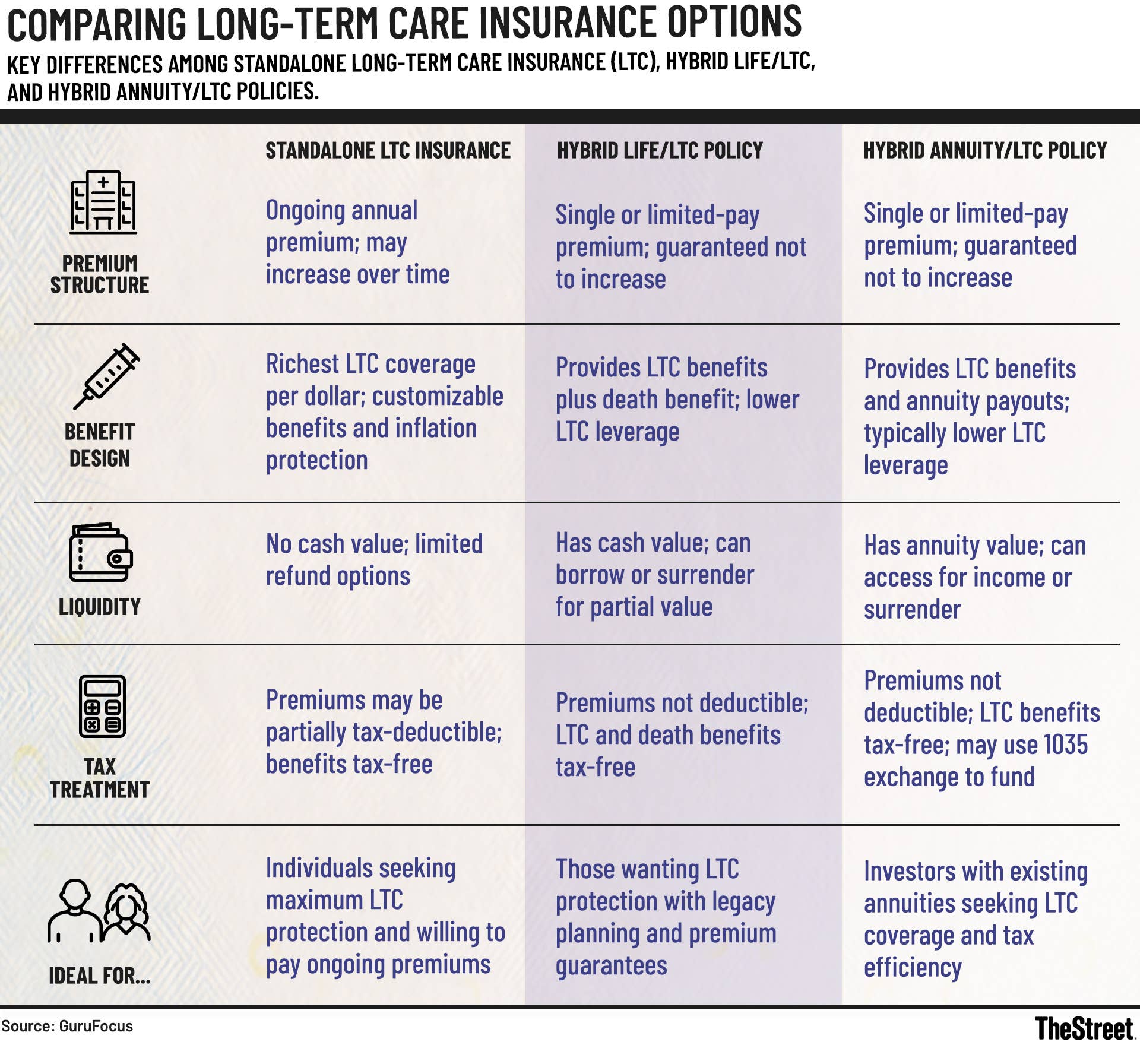
Evaluating LTC Policies Vs. Public Benefits
For, the expense normally falls in between $1,200 and $2,175 per year., around $1,925 to $3,700 annually., a combined policy may range from $2,550 to $4,675 a year. At 60, you can anticipate to pay anywhere from $1,200 to $3,700 each year for long-term care insurance coverage At 70, the cost of long-lasting care insurance coverage begins to go up rather a bit.
For couples, a joint policy could cost anywhere from $4,675 to $8,575 every year. While it's still possible to get excellent protection at this age, it comes at a significantly higher price. By age 75, long-lasting care insurance premiums end up being steep., annual costs often fall between $3,600 and $7,825, while can anticipate to pay $6,600 to $12,375.
Here's what actually drives the expense. Like the majority of types of insurance coverage, your age plays a big role in how much you'll pay for long-lasting care protection.
Why Seniors Benefit From Critical Illness Policies
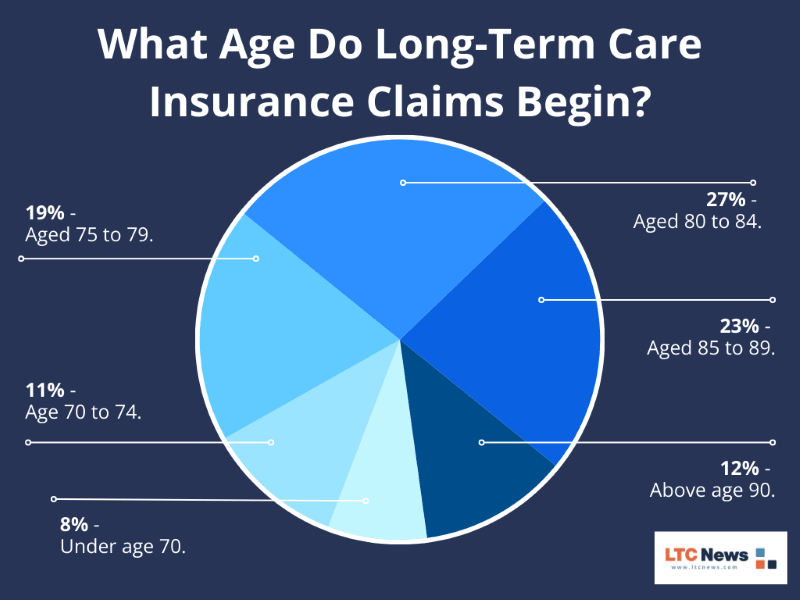
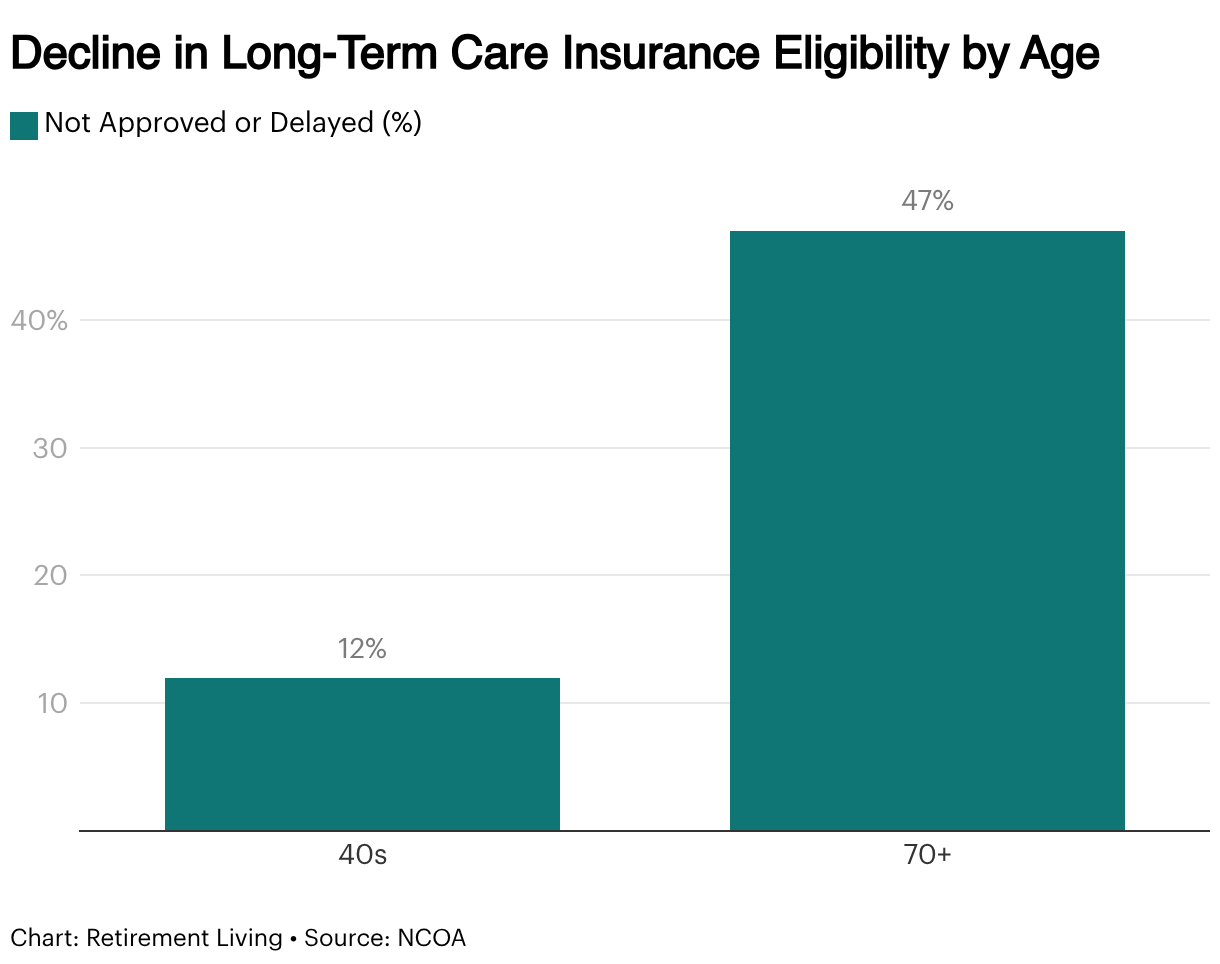
A lot of experts recommend buying between ages 50 and 65, when rates are more inexpensive, and your health profile is more powerful. Your health plays a significant role in whether you get approved for long-term care insurance and just how much you'll pay. Insurance providers usually inquire about your case history, current conditions and medications and might also ask about your household's health background.
Females typically pay more for long-lasting care insurance, as they tend to live longer than males, an edge partly connected to estrogen's function in decreasing damaging cholesterol and securing versus cardiovascular disease. Where you live impacts your premium because insurance companies base rates on local long-term care costs, which differ extensively by region.
Common periods are Much shorter removal periods cost more, as the insurance provider starts paying sooner. Longer waiting durations lower your premium however increase your in advance financial threat. Policies specify an everyday optimum payout, generally ranging from. Higher day-to-day advantages suggest higher premiums. If your daily limitation is too low, you'll need to cover the deficiency out of pocket.
Your policy may cover take care of a set number of years and even for life, however the longer the protection, the higher the premium. Choose a benefit duration that balances your future needs with what you can manage. Inflation security increases your payout gradually to stay up to date with rising care costs.
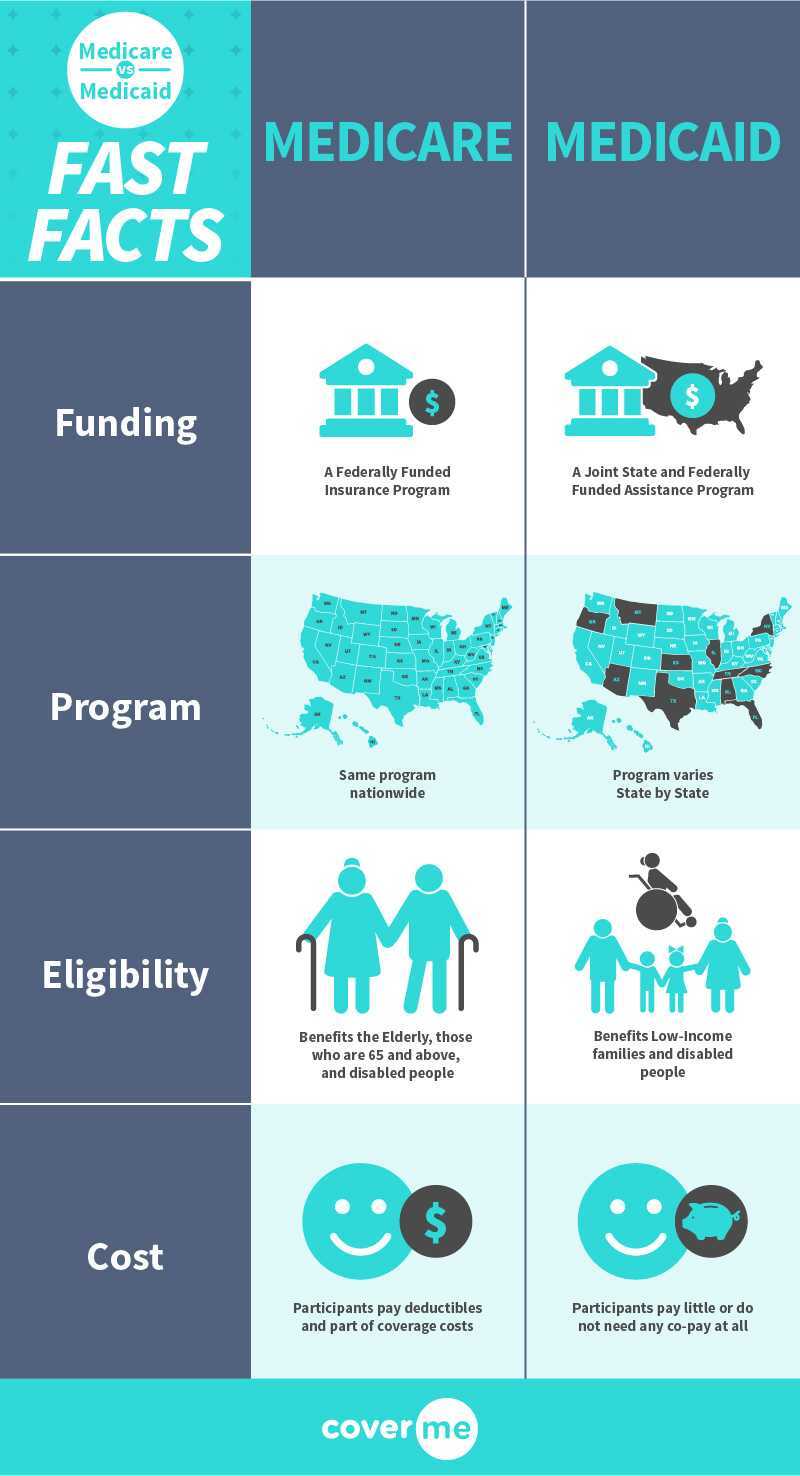
Comparing Care Options Vs. Public Benefits
"The greatest mistaken belief is that long-lasting care insurance coverage is constantly unaffordable or only required late in life. Chief Operating Officer at Always Best Care Here are the essential elements that influence how much you'll pay There's no one-size-fits-all policy but following these steps can help you make an informed option.
Consider your household's medical history and if there's a higher opportunity you'll require care down the roadway. While it's tempting to presume enjoyed ones will be there to assist, caregiving is typically a major emotional and monetary strain.
Consider where you 'd desire to get aid, at home, in an nursing home, or in a retirement home, and look for a policy that supports your preferences. Some plans might limit services or settings, so it's necessary to line up the policy with what you're more than likely to require.

Latest Posts
Choosing the Best Annuity for Retirement
Essential Financial Planning for Future Needs

Elderly Accident Insurance Benefits and Value